
AT&T runs nearly 500 AI agent workflows: how UAE businesses can move agents from pilot to production
AT&T runs nearly 500 agentic AI workflows in production and plans to triple that next year, SiliconANGLE reported on November 14, 2026. Here is the rule AT&T uses before an agent may act alone, and how UAE businesses can apply it to one process.
 D Consultants team


Key points
- 01AT&T runs nearly 500 agentic workflows in production and plans to triple that number next year.
- 02A small set of agents uses centrally managed business logic instead of hundreds of separate agents.
- 03Every workflow starts with human oversight until accuracy reaches the mid to high 90 percent range.
- 04UAE businesses can apply the same pattern to one high-volume process.
AT&T runs nearly 500 agentic AI workflows in production and plans to triple that number next year, according to a SiliconANGLE case study published on November 14, 2026. The numbers matter less than the rules AT&T uses to decide when an agent may work on its own.
What changed
Corbin said AT&T processes about 45 billion AI tokens a day and its agent platform handles more than 1 million transactions a month, according to SiliconANGLE. The workflows range from customer provisioning to sales prospecting.
The work runs through a group called Business Agent Foundry, set up in early 2025. It maps a business process first, then removes unnecessary steps, handoffs and dependencies on old applications (SiliconANGLE).
Three design choices stand out, as SiliconANGLE reports:
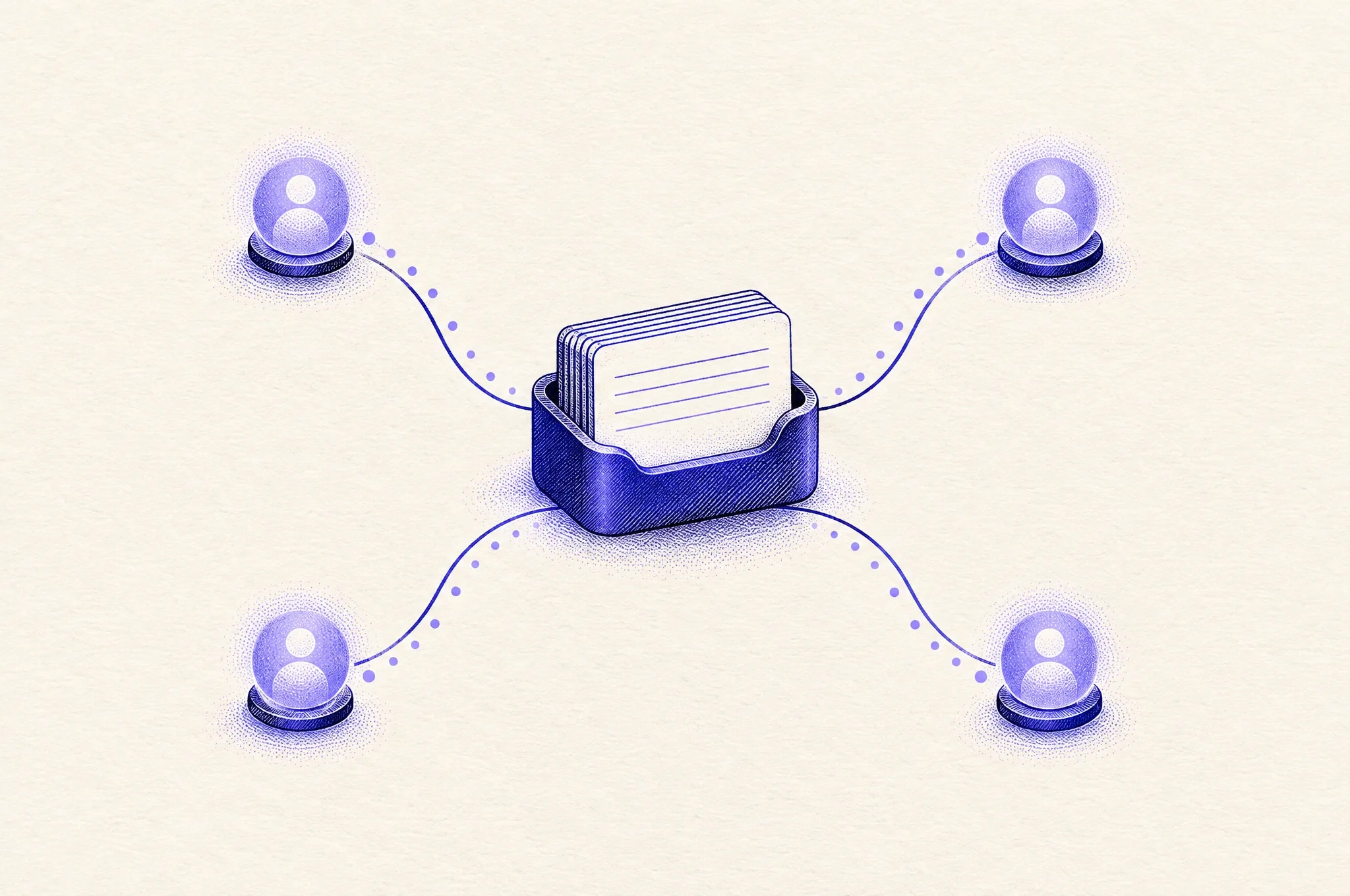
- A small set of agents runs the workflows. Business logic is managed centrally, not copied into hundreds of separate agents.
- Staff can build personal productivity agents. Any workflow that touches customers goes through security, privacy and compliance review.
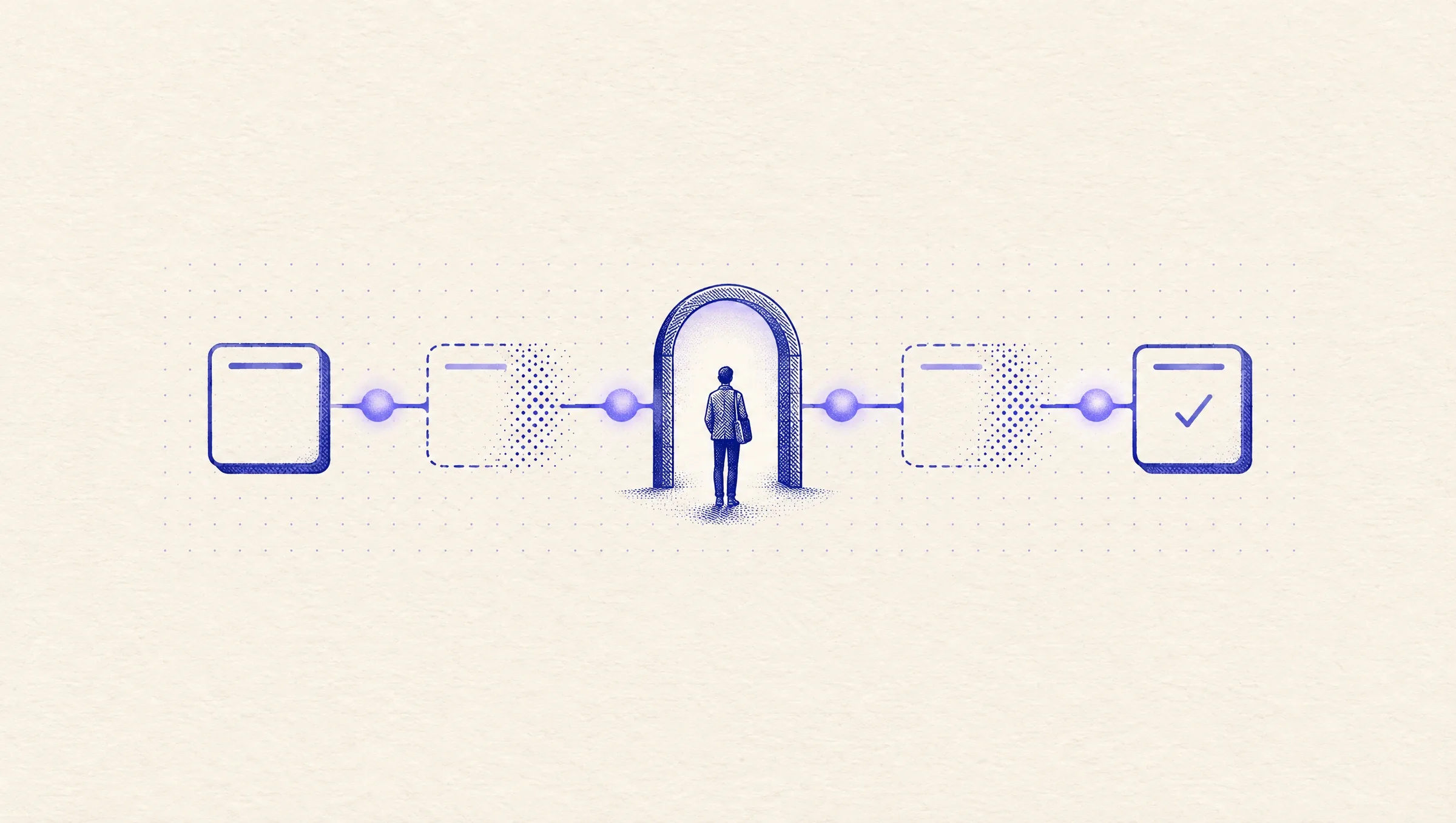
- Every production workflow starts with human oversight. An agent works alone only after its accuracy reaches the mid to high 90 percent range within an accepted risk profile, and monitoring for drift continues after that.
Corbin also said production AI investments return five times their cost within a year. That figure is AT&T's own and is not independently verified.
Why it matters for UAE businesses
A common failure point in AI agent projects is the step after the demo: deciding when the agent may act without a person. AT&T answers that with a measured threshold, not a feeling.
The pattern works for a business with five workflows, not only five hundred. A clinic, a brokerage or an online store can apply it to one process. Map it, cut the waste, add an agent, and keep a person on approvals until the numbers say otherwise.
Central business logic matters too. If your prices or approval limits live in many separate prompts, every policy change becomes many edits and many chances for error.
What to do now
Your next steps
Pick one high-volume process
Choose a process with clear inputs and outcomes, such as lead qualification. Map every step and handoff, and remove what adds nothing.
Start with a human in the loop
Let the agent prepare each action and have a person approve it. Log every decision so you can measure accuracy against real cases.
Write down your autonomy threshold
Agree the accuracy level and risk limits at which the agent may act alone. Keep monitoring after that point and return to approvals if accuracy drops.
Keep business rules in one place
Store prices, policies and limits in one source every agent reads, so one change updates all of them.
This is how we build AI agents and automation for our clients. If you want the workflow on a ready platform, atnos is our business automation and CRM product.
Questions
Do we need hundreds of agents to see results?
No. AT&T deliberately keeps a small set of agents and manages the business logic centrally, according to SiliconANGLE. One well-mapped workflow is a sound place to start.
How do we know when an agent can work without approval?
Measure its accuracy while a person reviews each action. AT&T removes the human only once accuracy reaches the mid to high 90 percent range within an accepted risk profile. Set your own threshold based on what an error would cost you.
Should we expect a fivefold return?
That figure comes from AT&T and has not been independently verified. Set targets for each workflow in time saved, operating cost and customer satisfaction, and measure them from the first week.
Written by
D Consultants team
Software and AI team, Dubai
The people who build and run dconsults.com, our own products atnos, Vline and blaaa, and websites and AI agents for businesses across the UAE.
ProfileMore articles to explore
All articles AI agents / Dubai approves the City AI Agent initiative: what UAE businesses should prepare nowOn November 18, 2026, Dubai approved the City AI Agent initiative and launched 93 AI agents that handle HR, finance and procurement across 85 government entities. Here is what changed, what is not yet known and how UAE businesses can get one process agent-ready.
 AI agents / Dubai approves a City AI Agent: what UAE businesses should prepare nowDubai approved the City AI Agent initiative on November 18, 2026, and launched 93 AI agents for government HR, finance and procurement. Here is what changed, what is not live yet and how UAE businesses can apply the same pattern to one process.
 AI agents / Microsoft Ignite 2026 puts AI agents under admin control: what UAE businesses should set up nowMicrosoft opened Ignite 2026 on November 17 with new controls for AI agents: spend limits, cleanup of ownerless agents, free usage insights and Defender protection for coding agents. Here is what is live, what is still in preview and how UAE businesses can act this week.
Tell us what you are building.
Free 30-minute call. We map your workflow, find the highest-impact opportunity and send a clear proposal.
+971 50 807 0826